In 2025, it is crucial for Australian businesses in the food supply chain to comply with food safety regulations. This applies to all food businesses, from small cafes to large manufacturing facilities, as they must adhere to strict standards aimed at safeguarding public health and preventing foodborne illnesses.
Australia has a unified national regulatory system that is consistent across all states and territories. The main regulatory authority is Food Standards Australia New Zealand (FSANZ), which is responsible for creating and upholding the comprehensive Food Standards Code. This code governs every aspect of food production, handling, and sale.
The Food Standards Code sets out mandatory requirements for various areas such as hygiene practices, temperature control, staff training, and facility design. These regulations establish a baseline for food business compliance throughout Australia, ensuring that consumers can trust the safety of products regardless of their location.
It is essential for businesses to understand and implement these requirements not only to avoid penalties but also to build customer trust, protect brand reputation, and contribute to public health outcomes. As regulatory expectations evolve and enforcement methods become more advanced, it is vital for businesses to stay informed about their obligations under the food safety regulatory compliance standards of 2025.
What Are the Key Regulatory Frameworks Governing Food Safety in 2025?
The Food Standards Code serves as Australia’s primary regulatory framework for food safety. Developed by FSANZ (Food Standards Australia New Zealand), this comprehensive code establishes mandatory requirements that all food businesses must follow, regardless of their size or operational scope.
The code operates through four mandatory standards that address critical aspects of food safety:
- Food Safety Practices and General Requirements (Standard 3.2.2): Establishes protocols for personal hygiene, food handling controls, temperature monitoring, pest control, and cleaning procedures.
- Food Premises and Equipment (Standard 3.2.3): Sets design and construction standards for food facilities, equipment maintenance requirements, storage specifications, water supply standards, and waste disposal systems.
- Food Handling Controls (Standard 3.2.2A): Details time and temperature requirements, contamination protection measures, food receipt and storage protocols, and processing standards.
- Skills and Knowledge (Standard 3.2.2B): Mandates staff training requirements, food safety supervisor certification, competency documentation, and ongoing education programs.
Beyond these universal standards, specific industries face additional accreditation requirements:
- Dairy processors must meet stringent pasteurization and quality control standards.
- Meat processing facilities require specialized licensing and inspection protocols.
- Seafood businesses follow temperature-controlled supply chain requirements.
- Horticulture operations adhere to produce safety standards addressing contamination risks from soil and water sources.
How Must Businesses Comply with Hygiene and Handling Requirements?
Businesses must meet strict hygiene requirements and adhere to food handling protocols outlined in Standard 3.2.2 of the Food Standards Code. Staff must maintain impeccable personal hygiene, including clean uniforms, covered hair, trimmed nails, and proper handwashing techniques before handling food and after breaks.
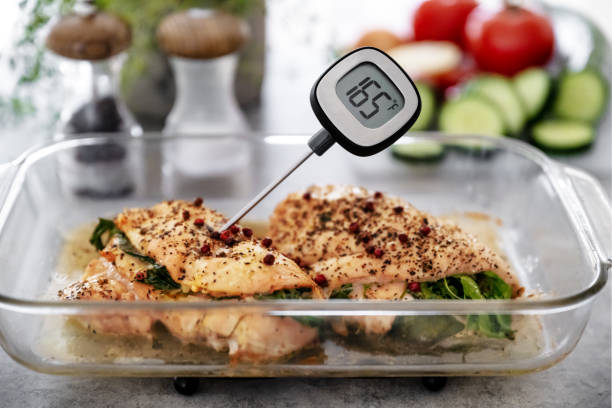
Temperature control standards are crucial for preventing foodborne illnesses. Cold foods must be kept at or below 5°C, while hot foods need to be above 60°C. To ensure these critical temperatures are maintained during food preparation and storage, businesses should use calibrated thermometers to check multiple areas.
The food handling protocols apply to every step of the supply chain:
- Receipt: Check deliveries right away for any damage, contamination, or incorrect temperatures
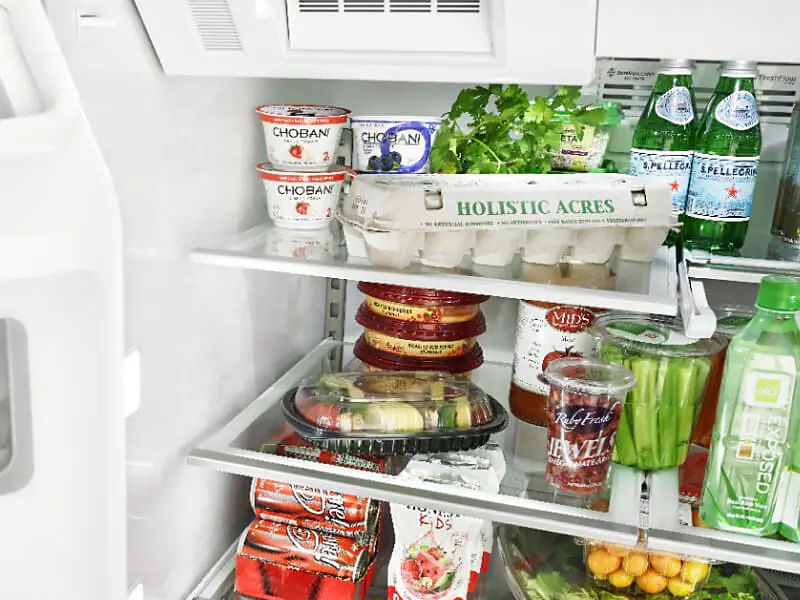
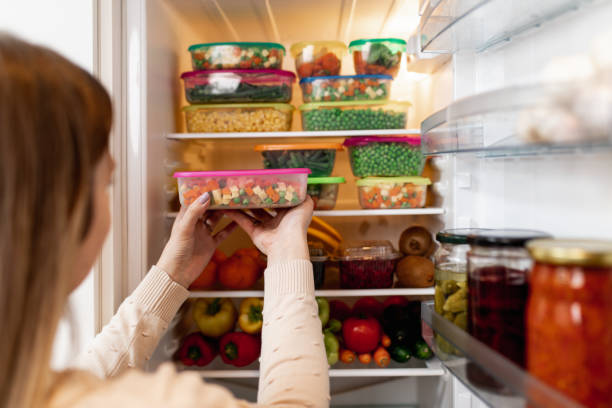
- Storage: Keep raw and ready-to-eat foods separate by using specific areas and color-coded equipment
- Processing: Follow documented procedures for cooking, cooling, and reheating that eliminate harmful bacteria
- Allergen management: Have clear labeling systems and dedicated preparation zones for allergen-free items
To prevent cross-contamination, it is important to have physical barriers between raw and cooked products, use separate cutting boards and utensils for different types of food, and regularly sanitize all surfaces that come into contact with food. Staff should change gloves when handling raw meats and other ingredients, and cleaning schedules should document how often and what methods are used for all food preparation areas. Compliance with food sanitation rules is essential in achieving these standards.
What Are the Obligations Regarding Food Premises and Equipment?
Design and Construction Standards
Food premises standards under Standard 3.2.3 mandate that all facilities handling food must be designed and constructed to prevent contamination. Surfaces in food preparation areas require smooth, non-porous materials that resist bacterial growth and allow thorough cleaning. Walls, floors, and ceilings must be sealed properly, with adequate lighting (minimum 220 lux in preparation zones) and ventilation systems that prevent condensation and airborne contaminants.
Equipment Maintenance Requirements
Equipment maintenance schedules form a critical compliance requirement. Businesses must establish documented programs for inspecting, cleaning, and servicing all food-contact equipment. Refrigeration units need calibration checks every three months, while cutting surfaces and utensils require daily sanitization protocols. Temperature-monitoring devices must undergo annual certification to ensure accuracy within ±1°C of actual readings.
Storage Facility Infrastructure
Storage facilities demand specific infrastructure:
- Water supply systems: Potable water connections meeting AS/NZS 3500 standards with backflow prevention devices
- Waste disposal: Sealed bins positioned away from food preparation zones, with daily removal schedules
- Dry storage: Climate-controlled areas maintaining temperatures below 25°C and humidity under 60%
- Cold storage: Separate refrigeration for raw and ready-to-eat products, with continuous temperature monitoring
Proper drainage systems prevent water pooling, which attracts pests and creates slip hazards. All plumbing fixtures must comply with local health authority specifications, including grease traps for commercial kitchens processing more than 50 meals daily.
Why Is Staff Training Important for Compliance?
Staff training food safety programs are essential for regulatory compliance under Standard 3.2.2B of the Food Standards Code. Every food business must keep documented evidence that employees have the necessary skills and knowledge for their specific roles. These records should be updated regularly to reflect current competencies and completed training sessions.
The Role of Food Safety Supervisor Certification
Most food businesses in Australia are required to have food safety supervisor certification. This means that at least one certified supervisor must be present during operating hours to oversee food handling operations, identify potential hazards, and take corrective actions when safety protocols are violated. This certification ensures that someone with formal qualifications is available to guide daily compliance activities.
How Training Promotes Consistency
Training helps create consistency across all levels of operation by establishing standardized procedures that every team member follows. Before handling food, new employees need a thorough induction that covers hygiene practices, allergen awareness, and temperature control protocols. Existing staff members require refresher courses to stay up-to-date with regulatory changes and reinforce proper techniques.
The Importance of Competency Documentation
Competency documentation serves two purposes: proving compliance during audits and identifying areas where additional training is needed. Businesses must keep records showing:
- Training dates and content covered
- Assessment results demonstrating understanding
- Supervisor qualifications and renewal dates
- Staff signatures acknowledging completion
Regular training sessions help reduce human error, which is the leading cause of food safety incidents, by making correct practices a part of daily routines.
How Are Compliance Practices Verified and Enforced?
HACCP audits are the main way compliance is checked in Australia. Food businesses go through regular assessments of their critical control points. These audits look at things like temperature monitoring systems, food handling procedures, cleaning schedules, and staff competency records to find any potential hazards before they can harm food safety.
Regulatory inspections require businesses to keep detailed records that prove they are following the standards:
- Temperature logs that track refrigeration, cooking, and hot-holding temperatures throughout daily operations
- Pest control records that document inspection schedules, treatment applications, and corrective actions
- Cleaning and sanitization checklists that verify routine maintenance of food contact surfaces
- Supplier verification documents that confirm the safety of incoming ingredients
Local council environmental health officers conduct surprise inspections to check if businesses are following the Food Standards Code. These authorities have the power to take action if they find serious violations, such as issuing improvement notices, suspending operations, or revoking licenses.
Penalties for not following the rules can vary. For minor infractions, there may be on-the-spot fines, while more serious breaches that put public health at risk could lead to prosecution. Businesses may have to pay financial penalties amounting to thousands of dollars, and individuals responsible for food safety failures could also face personal liability. The severity of the action taken will depend on factors like the type of violation, whether it’s a first offense, and the business’s history of compliance.
What Digital Tools Can Businesses Use to Manage Compliance Efficiently?
Digital compliance solutions have transformed how businesses maintain Food Safety Regulatory Compliance in 2025. Platforms like Squizify enable real-time monitoring of critical control points, allowing managers to track temperature readings, equipment performance, and hygiene protocols from any location instantly.
Here are some ways digital tools can help businesses manage compliance efficiently:
- Automated reporting tools: These tools eliminate manual documentation errors by generating compliance reports automatically. They capture data continuously and compile it into audit-ready formats that satisfy regulatory requirements without staff spending hours on paperwork.
- Digital checklists: Digital checklists streamline daily operations by guiding employees through standardized procedures. Staff can complete hygiene checks, equipment inspections, and cleaning tasks using mobile devices, with timestamps and digital signatures providing verifiable proof of completion.
- Training record management: Training record management becomes seamless as platforms store certifications, track expiry dates, and send renewal reminders automatically.
- Centralized dashboards: Transparency increases through centralized dashboards that display compliance status across all operational areas. Managers identify potential issues before they become violations, while auditors access complete historical records instantly.
- Real-time monitoring: Real-time monitoring alerts teams immediately when temperatures drift outside safe ranges or when cleaning schedules are missed, enabling swift corrective action that protects both public health and business reputation.
The administrative burden decreases significantly when technology handles routine compliance tasks. Businesses save an average of 15-20 hours weekly on documentation alone. Accuracy improves because digital systems reduce human error in data entry and calculation.
What Tailored Food Safety Management Systems Should Businesses Implement?
Tailored food safety systems must align with specific operational characteristics rather than adopting generic templates. A small café requires different protocols than a large-scale meat processing facility, with customization addressing unique risk profiles, production volumes, and regulatory requirements specific to each sector.
Effective systems integrate staff training programs as a core component rather than an afterthought. Training schedules should reflect role-specific responsibilities, with documented competency assessments for all personnel handling food. Food safety supervisors need certification updates, while kitchen staff require hands-on training in hygiene protocols 2025 standards covering:
- Temperature monitoring procedures for receiving, storage, and service
- Allergen management including ingredient tracking and cross-contact prevention
- Cleaning and sanitization schedules tailored to equipment and facility layouts
- Personal hygiene practices aligned with current regulatory expectations
Continuous improvement mechanisms ensure systems evolve with regulatory changes. Regular internal audits identify gaps before official inspections occur, while feedback loops from staff highlight practical challenges in implementing procedures. Businesses should schedule quarterly reviews of their food safety management systems, updating documentation and training materials to reflect new requirements or operational changes.
Documentation architecture must support both compliance verification and operational efficiency, with record-keeping systems that capture critical control point data without creating excessive administrative workload for staff members.
Conclusion
Achieving food safety compliance 2025 requires careful planning and proactive measures instead of just reacting to issues as they arise. Businesses need to implement comprehensive management systems that cover all aspects of the Food Standards Code, including hygiene protocols, equipment maintenance, and staff competency.
Business readiness Australia depends on three key factors:
- Proactive system implementation tailored to your specific operational context
- Strategic use of digital platforms like Squizify for real-time monitoring and automated documentation
- Continuous staff education ensuring every team member understands their compliance responsibilities
Technology transforms compliance from a burden into a competitive advantage. Digital tools streamline temperature logging, simplify audit preparation, and maintain training records with minimal manual intervention. When paired with properly trained staff who understand why protocols matter, these systems create a culture of safety that extends beyond mere regulatory checkbox-ticking.
Food Safety Regulatory Compliance: What Businesses Must Do in 2025 focuses on building resilient systems that can adapt to changing standards while safeguarding public health and protecting your business reputation.
More about Food Safety Compliance FAQ: Your Biggest Compliance Questions Answered